Tag: hiking

  • Stay Charged in the Wild: Top 5 Portable Power Banks for Your Next Camping Trip

    Stay Charged in the Wild: Top 5 Portable Power Banks for Your Next Camping Trip

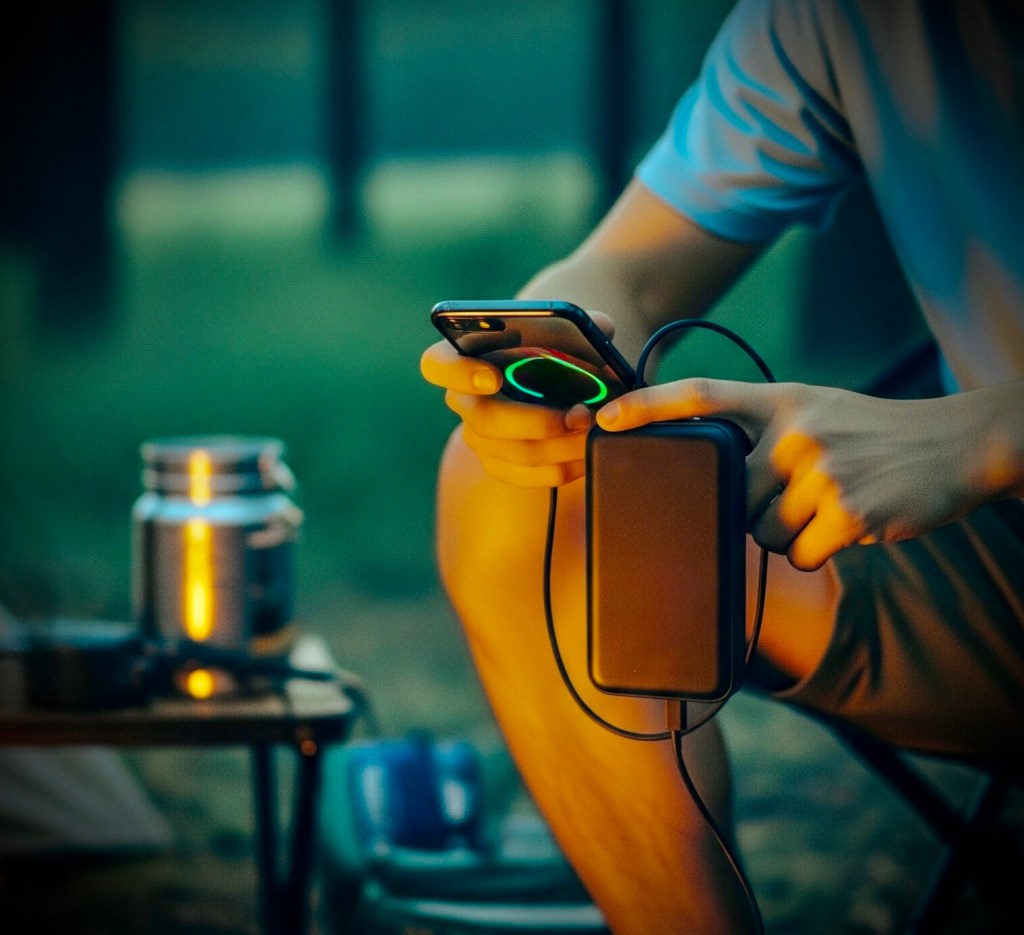
    Heading into the great outdoors doesn’t mean you have to disconnect entirely. From keeping your phone charged for emergencies and navigation to powering headlamps, cameras, and even small camping appliances, a reliable portable power bank is an essential piece of gear for any modern camper.
    With so many options on the market, choosing the right one can be overwhelming. We’ve sifted through the best of the best to bring you our top five portable power banks that are perfect for your next camping adventure.
    What to Look for in a Camping Power Bank:
    Before we dive into the top picks, let’s consider the key features that make a power bank ideal for camping:

    • Capacity (mAh/Wh): This determines how many charges you’ll get for your devices. For camping, aim for at least 10,000mAh for phones, and higher for laptops or multiple devices. Watt-hours (Wh) are also important, especially if you’re flying, as there are typically airline restrictions on Wh.
    • Output Ports & Power (Watts): Look for a variety of USB-A and USB-C ports, and ensure the wattage output is sufficient for your devices (e.g., 60W+ for laptops).
    • Durability & Weather Resistance: The outdoors can be unpredictable. A rugged, water-resistant, or even dustproof design is a huge plus.
    • Portability (Size & Weight): If you’re backpacking, every ounce matters. For car camping, you might be able to afford a larger, heavier unit.
    • Recharging Options: How quickly and easily can you recharge the power bank itself? Solar charging capability can be a game-changer for extended trips.
    • Additional Features: Built-in flashlights, SOS functions, wireless charging, and LED displays for battery status can all add value.
      Our Top 5 Portable Power Banks for Camping:
      Here are our picks for keeping your gadgets juiced up when you’re off the grid:
    • Anker 737 Power Bank (PowerCore 24K): https://amzn.to/4jmPcYi
    • Why it’s great for camping: This Anker powerhouse offers a substantial 24,000mAh capacity and a remarkable 140W total output, making it ideal for charging everything from smartphones to hungry laptops. Its intuitive OLED screen provides real-time charging stats, and its premium build quality ensures durability. Fast two-way charging means you can quickly refill the power bank itself.
    • Considerations: It’s a bit on the chunkier side due to its large battery, which might be a factor for ultralight backpackers.
    • UGREEN Power Bank for Laptop (145W): https://amzn.to/4dz58Wa
    • Why it’s great for camping: With a 25,000mAh capacity and a powerful 100W output via USB-C, the UGREEN power bank is a fantastic option for those who need to keep laptops and multiple devices charged. It supports fast charging for three devices simultaneously and can give a 16″ MacBook Pro a significant boost in just 30 minutes. It offers great value for its features.
    • Considerations: While it has an LED display, some users might prefer more detailed battery information. The included cable has been noted as feeling flimsy by some.
    • Shargeek 170 Transparent Power Bank 24,000mAh: https://amzn.to/43NdVAu
    • Why it’s great for camping: This power bank stands out with its unique transparent design, but it’s more than just looks. It delivers a robust 140W of power over USB PD 3.1 and has an impressive 170W combined output. With three charging ports (USB-C and USB-A) and an IP66 water resistance rating, it’s built for outdoor adventures. The useful display also provides helpful information.
    • Considerations: It’s on the pricier side, and the clear plastic, while eye-catching, might not age as gracefully as solid materials over time.
    • INIU Portable Charger 20000mAh PD 3.0+QC 4.0 LED Display: https://amzn.to/43zRcqe
    • Why it’s great for camping: If you’re looking for an affordable yet high-capacity option, the INIU 20000mAh power bank is an excellent choice. It offers 20,000mAh capacity with 22.5W fast charging, capable of quickly charging modern smartphones. Its compact size makes it airline-approved and easy to carry for weekend trips. The large LED display is a convenient feature for checking battery status.
    • Considerations: While great for phones and smaller devices, it might not have enough wattage for power-hungry laptops.
    • Nitecore Pocket 10000 Power Bank (NB10000 Gen 3): https://amzn.to/4dEZRMU
    • Why it’s great for camping: For those who prioritize extreme portability and lightweight design, the Nitecore NB10000 Gen 3 is a standout. Crafted with durable woven carbon fiber, it weighs a mere 5.3 oz and offers a respectable 10,000mAh capacity, enough for a couple of phone charges or to keep smaller devices running. It also features an integrated USB-C charging cable, adding to its convenience.
    • Considerations: Its 10,000mAh capacity means it’s best suited for shorter trips or for charging smaller devices rather than multiple recharges of larger electronics.
      No matter which power bank you choose, remember to test it thoroughly before heading out into the wilderness. Staying powered up ensures you can navigate, communicate, and capture memories, making your camping experience safer and more enjoyable. Happy trails!
  • Embrace the Silence: A Guide to Solo Camping

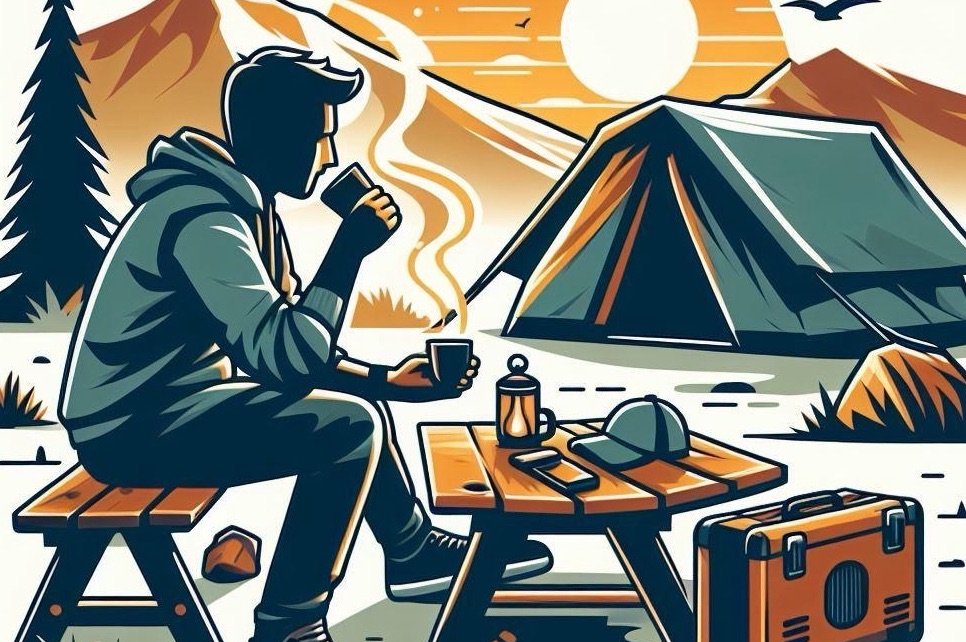
    Camping is often seen as a social activity, a chance to gather around a crackling fire with friends and family. But there’s a whole other world waiting for those who dare to venture out alone: the world of solo camping.

    Solo camping offers a unique experience, one that goes beyond the usual campfire stories and shared meals. It’s a chance to truly reconnect with nature and rediscover yourself.

    Why Go Solo?

    There are many reasons why someone might choose to camp alone. Perhaps you crave solitude and introspection, a chance to escape the daily grind and immerse yourself in the peacefulness of nature. Maybe you enjoy the freedom and flexibility of setting your own pace and itinerary. Or perhaps you simply want to challenge yourself and step outside your comfort zone.

    Before You Go:

    While solo camping can be incredibly rewarding, it’s important to be well-prepared. Here are some key things to keep in mind:

    • Start small: If you’re new to camping, it’s wise to begin with a short trip in a familiar location. This will allow you to test your gear and build your confidence.
    • Choose your campsite wisely: Opt for established campgrounds with amenities like restrooms and running water, especially on your first solo trip. As you gain experience, you can gradually venture into more remote locations.
    • Inform someone of your plans: Let a trusted friend or family member know your itinerary and expected return date. Consider carrying a personal locator beacon (PLB) in case of emergencies.
    • Pack light but essential gear: Prioritize warm clothing, a reliable shelter, a first-aid kit, and enough food and water for the duration of your trip.

    Embrace the Experience:

    Once you’re out there, embrace the solitude. Read a book by the fire, stargaze, go for a hike, or simply relax and listen to the sounds of nature. Savor the feeling of self-reliance and the freedom to do exactly what you want, on your own terms.

    Solo camping isn’t for everyone, but for those who embrace it, it can be a truly transformative experience. So, pack your bags, grab your tent, and head out into the wilderness. You might just discover a whole new side of yourself under the vast night sky.

    Additional Tips:

    • Learn basic survival skills: Knowing how to build a fire, find water, and navigate with a map and compass can be invaluable in any situation.
    • Leave no trace: Practice responsible camping by minimizing your impact on the environment. Pack out all your trash and leave the campsite as you found it.
    • Most importantly, have fun! Solo camping is an opportunity to explore, relax, and reconnect with yourself. So, enjoy the journey!
  • Pitch Your Tent and Unwind: 10 Top Camping Spots in the Southeast

    The Southeast US boasts a diverse landscape, from towering mountains and lush forests to pristine beaches and sparkling lakes. It’s no wonder this region is a haven for outdoor enthusiasts, especially campers. Whether you’re seeking a secluded wilderness escape or a family-friendly campground with amenities, the Southeast has something for everyone.

    Here are 10 of the best camping spots in the Southeast, catering to various preferences and interests:

    1. Cherokee Rock Village, Alabama: Nestled in the foothills of the Appalachian Mountains, Cherokee Rock Village offers stunning rock formations, cascading waterfalls, and abundant hiking trails. Campers can choose from primitive backcountry sites or developed campgrounds with amenities.

    2. Grayton Beach State Park, Florida: This park boasts sugar-white sand beaches and emerald-green waters, perfect for swimming, sunbathing, and watersports. Campgrounds offer various options, from basic tent sites to RV hookups, with convenient access to the beach.

    3. Red River Gorge Campground, Kentucky: This scenic gorge features towering cliffs, sandstone arches, and rushing rivers, ideal for rock climbing, kayaking, and exploring. Campers can choose from secluded backcountry sites or campgrounds with basic amenities.

    4. Sea Camp Campground, Jekyll Island, Georgia: Located on a barrier island, this campground offers a unique coastal camping experience. Enjoy kayaking, fishing, and exploring the island’s maritime forest. Campgrounds cater to tents, RVs, and even offer rustic cabins.

    5. Big Meadows Campground, Shenandoah National Park, Virginia: Immerse yourself in the heart of the Blue Ridge Mountains with breathtaking panoramic views. Hike through old-growth forests, explore cascading waterfalls, and stargaze under clear skies. Campgrounds offer various options, including tent sites, group campsites, and cabins.

    6. Spacious Skies Bear Den Campground, Great Smoky Mountains National Park, North Carolina: Experience the grandeur of the Smokies at this campground nestled amidst towering spruce-fir forests. Hike to scenic overlooks, chase waterfalls, and potentially spot diverse wildlife. Campgrounds offer tent and RV sites with basic amenities.

    7. Huntington Beach State Park, South Carolina: This park features pristine beaches, beachfront camping, and opportunities for swimming, surfing, and fishing. Campgrounds offer various options, from basic tent sites to RV hookups, with stunning ocean views.

    8. Jonathan Dickinson State Park, Florida: Explore diverse ecosystems, from coastal sand dunes and freshwater lakes to lush cypress swamps, all within this expansive park. Hike, bike, paddle, or camp under the stars. Campgrounds cater to tents, RVs, and even offer cabins and glamping options.

    9. Anchor Down RV Resort, Gatlinburg, Tennessee: While not your typical “roughing it” experience, this resort offers luxurious camping accommodations perfect for families or those seeking comfort. Enjoy spacious RV sites, a pool, playground, and easy access to the Great Smoky Mountains National Park.

    10. Lincoln Parish Park, Louisiana: Nestled on the shores of scenic Lake D’Arbonne, this park offers peaceful camping amidst nature. Enjoy fishing, boating, hiking, biking, or simply relaxing by the lake. Campgrounds offer various options, from tent sites to RV hookups, with beautiful lake views.

    Remember: Before you pack your bags, research and book campsites in advance, especially during peak season. Familiarize yourself with park regulations, be prepared for varying weather conditions, and practice responsible leave-no-trace principles to preserve these natural treasures.

    So, grab your tent, sleeping bag, and sense of adventure, and embark on an unforgettable camping experience in the diverse and beautiful landscapes of the Southeast!

  • Exploring the Great Outdoors: Camping Gear Essentials

    Unleash Your Inner Adventurer

    Camping Gear

    Are you ready to escape the hustle and bustle of daily life? To breathe in the crisp mountain air, listen to the rustling leaves, and gaze at a star-studded sky? Camping is more than just a hobby; it’s a way of reconnecting with nature and finding solace in simplicity.

    But before you pitch that tent and light the campfire, let’s talk about the essential gear you’ll need for a memorable camping experience. Whether you’re a seasoned backpacker or a first-time camper, these items are your trusty companions in the wilderness:

    1. The Perfect Tent

    Your home away from home! Choose a tent that suits your needs:

    • Two-Person Tent: Ideal for couples or solo adventurers. The Coleman Sundome Tent has a 4.6 Rating From Over 45,900 reviews and is Amazon’s Best Seller – https://amzn.to/48qT8C9
    • Family Tent: Spacious enough for the whole crew. When you need the extra room for the whole family the UNP 6 Person Family Camping Tent has a 4.4 rating from over 2,600 Reviews And is An Amazon Choice – https://amzn.to/49Jqz4p
    • Ultralight Tent: Backpacker’s dream—lightweight and easy to carry. With a 4.5 rating from over 1,200 reviews the Clostnature 1-Person Ultralight Tent For Camping And Backpacking Is A Tent worth checking out- https://amzn.to/3TaVwsg

    2. Cozy Sleeping Bag

    A good night’s sleep is non-negotiable. Invest in a quality sleeping bag:

    • Temperature Rating: Consider the climate. Will you camp in chilly mountains or balmy forests?
    • Insulation Type: Down or synthetic? Both have their merits.
    • Shape: Mummy or rectangular? Snug or roomy?

    3. Camp Stove and Cookware

    Cooking alfresco is part of the adventure. Pack these essentials:

    • Portable Stove: Gas or liquid fuel—your choice.
    • Cooking Utensils: A lightweight pot, pan, and utensils.
    • Coffee Maker: Because mornings without coffee are just wilderness.

    4. Illumination

    When the sun sets, you’ll need light:

    • Headlamp: Keeps your hands free for s’mores assembly.
    • Lantern: Hang it in your tent or around the campsite.

    5. Reliable Footwear

    Your feet deserve comfort and protection:

    • Hiking Boots: Sturdy soles for rocky trails.
    • Camp Shoes: Lightweight sandals for relaxing by the fire.

    6. Hydration System

    Stay hydrated, my friend:

    • Water Bottles: Reusable and eco-friendly.
    • Water Filter: Purify stream water like a pro.

    7. First Aid Kit

    Minor scrapes and blisters happen. Be prepared:

    • Bandages: For those unexpected encounters with tree roots.
    • Antiseptic Wipes: Nature can be dirty; keep it clean.

    8. Navigation Tools

    Don’t get lost in the wilderness:

    • Map and Compass: Old-school but reliable.
    • GPS Device: Modern adventurers swear by it.

    9. Clothing Layers

    Dress like an onion (minus the tears):

    • Base Layer: Moisture-wicking fabric.
    • Insulating Layer: Keeps you warm.
    • Outer Layer: Waterproof and windproof.

    10. Leave No Trace Ethics

    Lastly, respect Mother Nature:

    • Pack It In, Pack It Out: Bring back your trash.
    • Campfire Etiquette: Don’t burn down the forest.
    • Wildlife Awareness: Admire from a distance.

    Remember, camping isn’t just about gear; it’s about creating memories, sharing stories around the campfire, and feeling the earth beneath your sleeping bag. So grab your backpack, lace up those boots, and let the wilderness embrace you.

    Happy trails, fellow adventurer! 🏕️🌲✨