Blog

  • EarthOutside Steps into the Future: 3D Printing Alley Cat’s Meshtastic Cases!

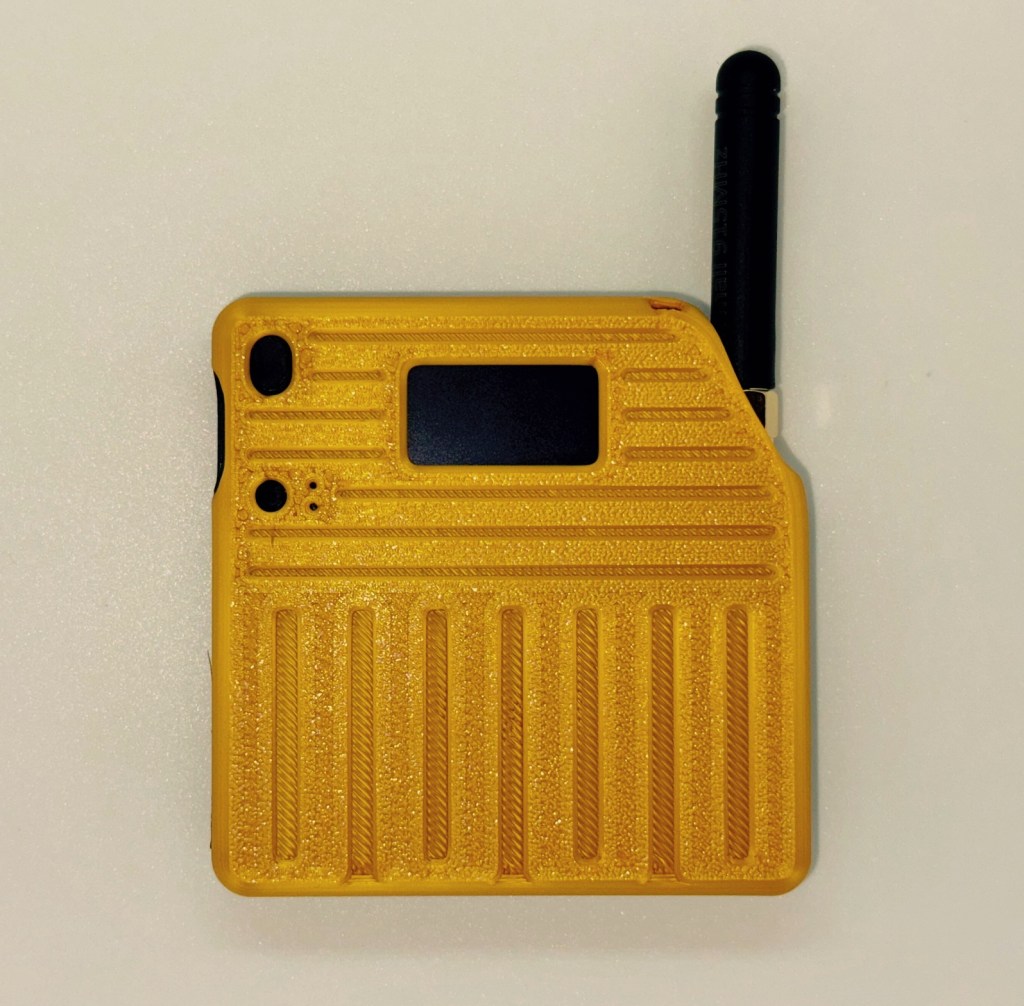
    Alley Cat Design Meshtastic Case

    Here at EarthOutside, we’ve always been passionate about connecting people and exploring the great outdoors. That’s why we’re incredibly excited to announce our latest venture: we’re officially starting to 3D print and sell high-quality Meshtastic cases designed by the talented Alley Cat!
    For those unfamiliar, Meshtastic is a game-changing open-source project that allows you to create your own decentralized, long-range, low-power radio network. It’s perfect for off-grid adventures, emergency communication, and connecting with like-minded individuals in areas with limited or no cellular service.
    And what’s a fantastic piece of tech without a reliable and well-designed case to protect it? That’s where Alley Cat comes in. Known throughout the Meshtastic community for their innovative and practical designs, Alley Cat has created a range of cases that are not only functional but also aesthetically pleasing.
    Why We Chose Alley Cat’s Designs:
    We’ve been following Alley Cat’s work for a while now, and we’ve been consistently impressed by their attention to detail and understanding of the needs of Meshtastic users. Their designs prioritize:

    • Durability: Protecting your valuable Meshtastic device from bumps, scratches, and the elements.
    • Functionality: Ensuring easy access to buttons, ports, and screens.
    • Mounting Options: Offering versatile ways to attach your device to backpacks, belts, or other gear.
    • Thoughtful Design: Creating cases that are both practical and visually appealing.
      What This Means for You:
      By using Alley Cat and utilizing our in-house 3D printing capabilities, EarthOutside can now offer you a convenient and reliable source for these fantastic Meshtastic cases. This means:
    • Easy Access: You no longer have to navigate the complexities of finding and printing these designs yourself.
    • High-Quality Prints: We’re committed to using durable materials and precise printing techniques to ensure a robust and long-lasting case for your device.
    • Variety of Options: We’ll be starting with some of Alley Cat’s most popular designs, with plans to expand our offerings based on community demand. Keep an eye out for different colors and potentially even customized options in the future!
      Get Ready to Gear Up!
      We’re thrilled to bring these exceptional Meshtastic cases to the EarthOutside community. Whether you’re a seasoned Meshtastic enthusiast or just starting your off-grid communication journey, a reliable case is an essential piece of kit.
      Stay tuned to our website and social media channels for the official launch of our 3D printed Alley Cat Meshtastic cases! We can’t wait to help you protect your devices and stay connected, no matter where your adventures take you.
      What are your favorite features in a Meshtastic case? Let us know in the comments below!

    Designed by Alley Cat Alley Chat (Series) © 2024 by Alley Cat and Majestic AV, LLC, is licensed under the Creative Commons CC BY-SA 4.0. Please note that this seller is not affiliated with or endorsed by Alley Cat or Majestic AV, LLC. This product is being sold in compliance with the licensing terms provided by Majestic AV, LLC.
  • Meshtastic: Building a DIY, Off-Grid Communication Network


    In a world increasingly reliant on centralized internet and cellular infrastructure, the idea of creating your own independent communication network is both intriguing and empowering. Enter Meshtastic, an open-source, low-power, long-range mesh network that lets you do just that.
    What is Meshtastic?
    Meshtastic is a project that allows you to build a decentralized, off-grid communication network using inexpensive LoRa (Long Range) radios. Essentially, it turns readily available hardware into a robust, self-healing mesh network capable of transmitting text messages and location data without relying on cellular towers or internet access.
    How Does it Work?

    • LoRa Technology: Meshtastic devices utilize LoRa, a wireless technology that enables long-range, low-power communication. This allows for communication over several kilometers, depending on environmental factors.
    • Mesh Networking: The core strength of Meshtastic lies in its mesh networking capability. Devices act as relays, forwarding messages to other nodes in the network. This creates a self-healing network that can extend its range and bypass obstacles.
    • Open Source: Meshtastic is an open-source project, meaning its software and hardware designs are freely available. This fosters community involvement, innovation, and customization.
    • Hardware: Meshtastic is designed to run on readily available, low-cost hardware like the TTGO T-Beam, which combines a LoRa radio with a GPS module and a microcontroller.
      Why Would You Use Meshtastic?
    • Off-Grid Communication: Ideal for hiking, camping, or any situation where cellular coverage is unreliable or unavailable.
    • Emergency Preparedness: Provides a reliable communication channel during natural disasters or other emergencies when traditional infrastructure may be down.
    • Community Networking: Enables local communities to create their own communication networks for events, neighborhood watch, or general communication.
    • Experimentation and Learning: A great way to learn about radio communication, mesh networking, and embedded systems.
    • Privacy: Because the network is locally owned and operated, there is an added layer of privacy.
      Getting Started with Meshtastic:
    • Hardware Acquisition: Purchase a compatible LoRa radio device, such as the Heltec V3 or LILYGO T-Beam.
    • Firmware Flashing: Install the Meshtastic firmware onto your device. This can be done using the Meshtastic Flasher tool.
    • Configuration: Configure your device using the Meshtastic Android or iOS app, or through the command-line interface.
    • Deployment: Place your devices in strategic locations to create a mesh network.
    • Testing: Send text messages and track location data to ensure your network is functioning correctly.
      Key Features:
    • Text Messaging: Send and receive text messages within the network.
    • Location Sharing: Share your location with other users on the network.
    • Encryption: Messages can be encrypted for added privacy.
    • Low Power Consumption: Devices can operate for extended periods on battery power.
    • Channel customization: Allows users to change frequencies and settings.
      Challenges and Considerations:
    • Range Limitations: While LoRa offers long range, environmental factors like terrain and buildings can affect performance.
    • Network Density: A robust mesh network requires a sufficient number of nodes.
    • Configuration Complexity: Setting up and configuring Meshtastic devices can require some technical knowledge.
    • Regulatory Compliance: Be aware of local radio frequency regulations.
      The Future of Meshtastic:
      The Meshtastic community is constantly evolving, with ongoing development and new features being added. Future advancements may include improved encryption, expanded hardware support, and enhanced user interfaces.
      Meshtastic represents a powerful tool for building resilient, decentralized communication networks. Whether you’re an outdoor enthusiast, a preparedness advocate, or simply a tech enthusiast, Meshtastic offers a unique and empowering way to connect with others without relying on traditional infrastructure.
  • Embrace the Chill: A Guide to Cold Weather Camping


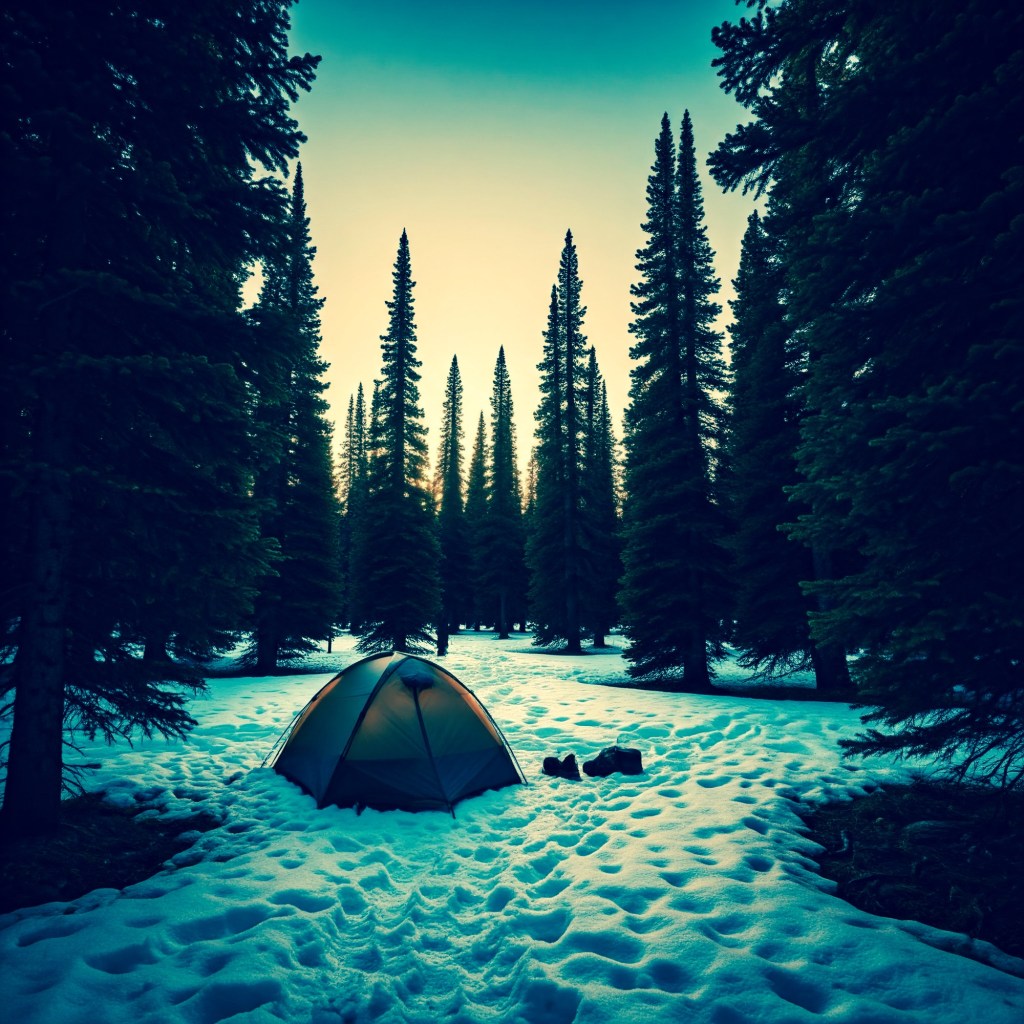
    The allure of winter camping is undeniable: crisp air, sparkling snow, and a sense of solitude unlike any other. But venturing into the cold requires careful planning and preparation. Here’s your guide to embracing the chill and enjoying a successful winter camping adventure:

    1. Gear Up for the Elements:
    • Invest in a Quality Tent: Look for a four-season tent designed to withstand strong winds and heavy snowfall.
    • Prioritize Insulation: Layering is key! Opt for a high-quality sleeping bag rated for temperatures significantly colder than you expect. A sleeping pad is crucial for insulating you from the ground.
    • Dress in Layers: Wear moisture-wicking base layers, insulating mid-layers (like fleece), and a waterproof, windproof outer shell. Don’t forget warm socks, gloves, and a hat.
    1. Plan Your Meals Wisely:
    • High-Calorie Foods: Pack calorie-dense foods like trail mix, nuts, dried fruit, and energy bars.
    • Hydration is Key: Dehydration is a real risk in cold weather. Bring plenty of water and consider electrolyte drinks.
    • Hot Meals: Warm up with hearty soups, stews, and instant noodles. A portable stove is essential for cooking.
    1. Choose Your Campsite Carefully:
    • Seek Shelter: Find a campsite protected from wind and snow. Look for sheltered areas like forests or behind large rocks.
    • Consider Snow Conditions: Avoid areas with deep snow or avalanche risk.
    • Camp Near Water (Cautiously): If possible, camp near a water source, but be mindful of ice thickness and potential flooding.
    1. Safety First:
    • Check the Forecast: Monitor weather conditions closely and be prepared to adjust your plans accordingly.
    • Let Someone Know: Share your itinerary with a friend or family member.
    • Pack a First-Aid Kit: Include essentials like pain relievers, bandages, and blister treatment.
    • Learn Basic Winter Survival Skills: Know how to build a fire, identify signs of hypothermia and frostbite, and navigate in winter conditions.
    1. Embrace the Experience:
    • Slow Down and Enjoy the Quiet: Winter camping offers a unique opportunity to connect with nature and appreciate the beauty of a snow-covered landscape.
    • Stargazing: With less light pollution, winter nights offer incredible stargazing opportunities.
    • Embrace the Challenge: Winter camping requires resilience and adaptability. Embrace the challenges and savor the sense of accomplishment.
      Winter camping can be an incredibly rewarding experience. With careful planning and the right gear, you can safely enjoy the beauty and serenity of the winter wilderness.
      Disclaimer: This blog post provides general information and should not be considered professional advice. Always prioritize safety and consult with experienced winter campers or local experts before embarking on any winter camping trip.
      What are your favorite tips for winter camping?
    • Share your experiences in the comments below!

    #wintercamping #outdoors #adventure #coldweather #gearguide

    This blog post covers the key aspects of cold weather camping, including gear, planning, safety, and enjoying the experience.

  • Camping in the Red River Gorge

    Camping in the Red River Gorge: A Kentucky Adventure
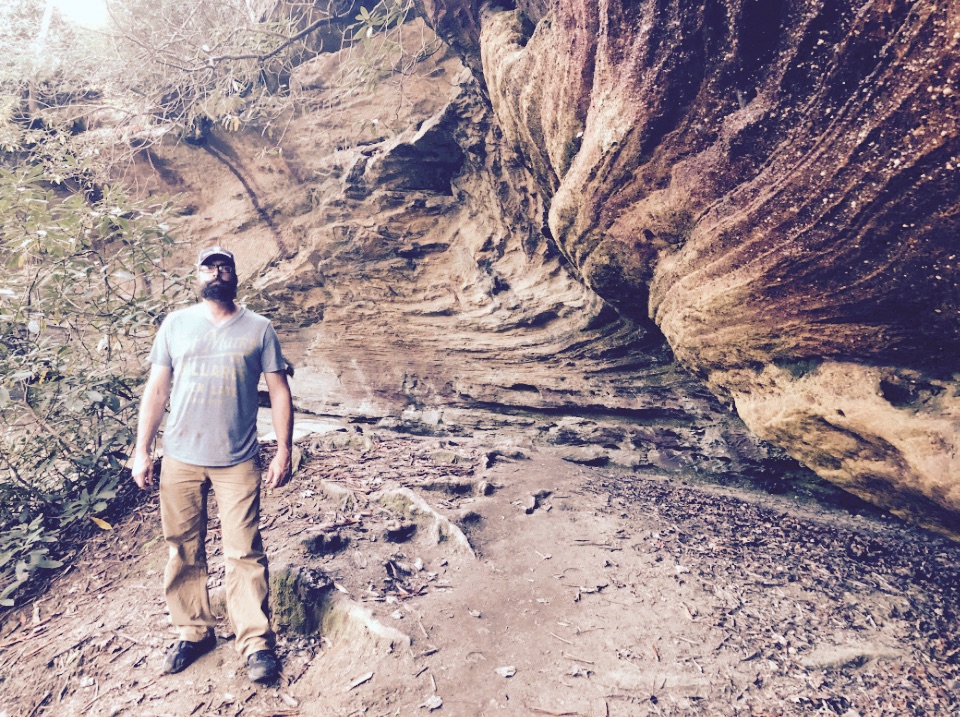
    The Red River Gorge, a geological wonderland in eastern Kentucky, offers a unique camping experience amidst towering sandstone cliffs, lush forests, and crystal-clear streams. With its abundance of hiking trails, rock climbing routes, and scenic overlooks, it’s a haven for outdoor enthusiasts seeking adventure and tranquility.
    Choosing Your Camping Spot
    The Red River Gorge Geological Area offers various camping options to suit different preferences and needs. Here are some popular choices:

    • Campgrounds: The area boasts several campgrounds, including the Red River Gorge Campground, Natural Bridge State Park Campground, and Slade Creek Campground. These campgrounds provide amenities like restrooms, showers, and picnic tables.
    • Dispersed Camping: For a more secluded experience, consider dispersed camping on designated Forest Service lands. This option allows you to pitch your tent in remote areas, offering a sense of privacy and connection with nature.
    • Backpacking: If you’re up for a challenge, embark on a backpacking adventure through the gorge’s trails, camping at designated backcountry campsites. This option provides a truly immersive experience, allowing you to explore the wilderness on foot.
      Things to Do in the Red River Gorge
      Beyond camping, the Red River Gorge offers a plethora of activities to keep you entertained. Here are some highlights:
    • Hiking: The gorge is home to a vast network of hiking trails, ranging from easy to strenuous. Explore iconic trails like the Natural Bridge Trail, the Grey Eagle Trail, and the Auxier Ridge Trail, each offering breathtaking views and unique geological formations.
    • Rock Climbing: The Red River Gorge is a renowned rock climbing destination, attracting climbers of all skill levels. Test your abilities on world-class routes, from beginner-friendly crags to challenging multi-pitch climbs.
    • Kayaking and Canoeing: Paddle down the Red River and its tributaries, enjoying the scenic beauty and wildlife along the way. Rent equipment from local outfitters and explore hidden coves and waterfalls.
    • Wildlife Viewing: Keep your eyes peeled for various wildlife species, including white-tailed deer, wild turkeys, raccoons, and even the elusive black bear.
    • Exploring Natural Bridge: Visit the iconic Natural Bridge, a massive sandstone arch spanning a gorge. Hike to the bridge and marvel at its impressive size and geological formations.
      Tips for Camping in the Red River Gorge
    • Reserve Your Campground: During peak seasons, it’s advisable to make reservations at campgrounds to ensure availability.
    • Pack Essentials: Bring essential camping gear, including a tent, sleeping bag, cooking equipment, and plenty of food and water.
    • Leave No Trace: Practice responsible camping by following Leave No Trace principles. Pack out all trash, minimize your impact on the environment, and respect wildlife.
    • Check Weather Conditions: Monitor weather forecasts before your trip and be prepared for potential changes, especially during spring and fall.
      The Red River Gorge offers a truly unforgettable camping experience, combining natural beauty, adventure, and tranquility. Whether you’re seeking a relaxing getaway or an adrenaline-pumping adventure, this Kentucky gem has something to offer everyone.

    A Kentucky Adventure
    The Red River Gorge, a geological wonderland in eastern Kentucky, offers a unique camping experience amidst towering sandstone cliffs, lush forests, and crystal-clear streams. With its abundance of hiking trails, rock climbing routes, and scenic overlooks, it’s a haven for outdoor enthusiasts seeking adventure and tranquility.
    Choosing Your Camping Spot
    The Red River Gorge Geological Area offers various camping options to suit different preferences and needs. Here are some popular choices:

    Red River Gorge Trails
    • Campgrounds: The area boasts several campgrounds, including the Red River Gorge Campground, Natural Bridge State Park Campground, and Slade Creek Campground. These campgrounds provide amenities like restrooms, showers, and picnic tables.
    • Dispersed Camping: For a more secluded experience, consider dispersed camping on designated Forest Service lands. This option allows you to pitch your tent in remote areas, offering a sense of privacy and connection with nature.
    • Backpacking: If you’re up for a challenge, embark on a backpacking adventure through the gorge’s trails, camping at designated backcountry campsites. This option provides a truly immersive experience, allowing you to explore the wilderness on foot.
      Things to Do in the Red River Gorge
      Beyond camping, the Red River Gorge offers a plethora of activities to keep you entertained. Here are some highlights:
    • Hiking: The gorge is home to a vast network of hiking trails, ranging from easy to strenuous. Explore iconic trails like the Natural Bridge Trail, the Grey Eagle Trail, and the Auxier Ridge Trail, each offering breathtaking views and unique geological formations.
    • Rock Climbing: The Red River Gorge is a renowned rock climbing destination, attracting climbers of all skill levels. Test your abilities on world-class routes, from beginner-friendly crags to challenging multi-pitch climbs.
    • Kayaking and Canoeing: Paddle down the Red River and its tributaries, enjoying the scenic beauty and wildlife along the way. Rent equipment from local outfitters and explore hidden coves and waterfalls.
    • Wildlife Viewing: Keep your eyes peeled for various wildlife species, including white-tailed deer, wild turkeys, raccoons, and even the elusive black bear.
    • Exploring Natural Bridge: Visit the iconic Natural Bridge, a massive sandstone arch spanning a gorge. Hike to the bridge and marvel at its impressive size and geological formations.
      Tips for Camping in the Red River Gorge
    • Reserve Your Campground: During peak seasons, it’s advisable to make reservations at campgrounds to ensure availability.
    • Pack Essentials: Bring essential camping gear, including a tent, sleeping bag, cooking equipment, and plenty of food and water.
    • Leave No Trace: Practice responsible camping by following Leave No Trace principles. Pack out all trash, minimize your impact on the environment, and respect wildlife.
    • Check Weather Conditions: Monitor weather forecasts before your trip and be prepared for potential changes, especially during spring and fall.
      The Red River Gorge offers a truly unforgettable camping experience, combining natural beauty, adventure, and tranquility. Whether you’re seeking a relaxing getaway or an adrenaline-pumping adventure, this Kentucky gem has something to offer everyone.
  • Camping at Fall Creek Falls State Park

    Fall Creek Falls State Park is the ultimate camping destination for nature lovers. With its stunning waterfalls, diverse wildlife, and picturesque landscapes, Fall Creek Falls offers a truly unforgettable camping experience. Site A45 is one of the many campsites within the park, and it’s worth exploring!

    2. We Camped At Site A45

    • Location: Site A45 is situated in one of the five different camping areas within the park.
    • Amenities: All campsites come equipped with tables, grills, water, and electricity. Six bathhouses serve the entire campground, ensuring your comfort during your stay. Additionally, 108 sites have sewer connections, making it convenient for RV campers. The area we camped in has free WiFi that was fast enough to do take care of most people’s needs.
    • RV Accommodation: Site A45 can accommodate an RV up to 65 feet in length.
    • Primitive Camping: If you’re up for a more rustic experience, consider the 12 primitive sites. These sites are perfect for tent camping and are scattered throughout the woods. Some are “walk-in” sites, nestled away from the designated parking area, while others are “park-on” sites with adjacent parking.
    • Backcountry Camping: For the adventurous souls, Fall Creek Falls also offers 16 backcountry campsites along the overnight backpacking trails. These sites allow you to immerse yourself in the wilderness and experience the park’s natural beauty up close.

    3. Activities

    While camping at Fall Creek Falls, don’t miss out on these activities:

    • Hiking: Explore the park’s extensive trail system, including the Lower Loop Trail (currently closed between Campsite 1 and Campsite 2 due to a bridge issue) and the Virgin Falls State Natural Area trails.
    • Waterfalls: Witness the breathtaking Fall Creek Falls, which plunges 256 feet into a pool below. Also, visit Virgin Falls, another hidden gem.
    • Wildlife Watching: Keep an eye out for deer, foxes, and various bird species.
    • Photography: Capture the beauty of the park’s landscapes and waterfalls.

    4. Tips

    • Reservations: Make sure to reserve your campsite in advance through the official reservation website.
    • Supplies: Bring essentials like camping gear, food, and water. Ice and firewood are available for purchase year-round.
    • Visitor Center: If you need assistance or directions, stop by the park visitor center.

    Remember, Fall Creek Falls is a place where memories are made, and the natural beauty will leave you in awe. Happy camping! 🌲🔥🌿

  • Embrace the Silence: A Guide to Solo Camping

    Camping is often seen as a social activity, a chance to gather around a crackling fire with friends and family. But there’s a whole other world waiting for those who dare to venture out alone: the world of solo camping.

    Solo camping offers a unique experience, one that goes beyond the usual campfire stories and shared meals. It’s a chance to truly reconnect with nature and rediscover yourself.

    Why Go Solo?

    There are many reasons why someone might choose to camp alone. Perhaps you crave solitude and introspection, a chance to escape the daily grind and immerse yourself in the peacefulness of nature. Maybe you enjoy the freedom and flexibility of setting your own pace and itinerary. Or perhaps you simply want to challenge yourself and step outside your comfort zone.

    Before You Go:

    While solo camping can be incredibly rewarding, it’s important to be well-prepared. Here are some key things to keep in mind:

    • Start small: If you’re new to camping, it’s wise to begin with a short trip in a familiar location. This will allow you to test your gear and build your confidence.
    • Choose your campsite wisely: Opt for established campgrounds with amenities like restrooms and running water, especially on your first solo trip. As you gain experience, you can gradually venture into more remote locations.
    • Inform someone of your plans: Let a trusted friend or family member know your itinerary and expected return date. Consider carrying a personal locator beacon (PLB) in case of emergencies.
    • Pack light but essential gear: Prioritize warm clothing, a reliable shelter, a first-aid kit, and enough food and water for the duration of your trip.

    Embrace the Experience:

    Once you’re out there, embrace the solitude. Read a book by the fire, stargaze, go for a hike, or simply relax and listen to the sounds of nature. Savor the feeling of self-reliance and the freedom to do exactly what you want, on your own terms.

    Solo camping isn’t for everyone, but for those who embrace it, it can be a truly transformative experience. So, pack your bags, grab your tent, and head out into the wilderness. You might just discover a whole new side of yourself under the vast night sky.

    Additional Tips:

    • Learn basic survival skills: Knowing how to build a fire, find water, and navigate with a map and compass can be invaluable in any situation.
    • Leave no trace: Practice responsible camping by minimizing your impact on the environment. Pack out all your trash and leave the campsite as you found it.
    • Most importantly, have fun! Solo camping is an opportunity to explore, relax, and reconnect with yourself. So, enjoy the journey!
  • Pitch Your Tent and Unwind: 10 Top Camping Spots in the Southeast

    The Southeast US boasts a diverse landscape, from towering mountains and lush forests to pristine beaches and sparkling lakes. It’s no wonder this region is a haven for outdoor enthusiasts, especially campers. Whether you’re seeking a secluded wilderness escape or a family-friendly campground with amenities, the Southeast has something for everyone.

    Here are 10 of the best camping spots in the Southeast, catering to various preferences and interests:

    1. Cherokee Rock Village, Alabama: Nestled in the foothills of the Appalachian Mountains, Cherokee Rock Village offers stunning rock formations, cascading waterfalls, and abundant hiking trails. Campers can choose from primitive backcountry sites or developed campgrounds with amenities.

    2. Grayton Beach State Park, Florida: This park boasts sugar-white sand beaches and emerald-green waters, perfect for swimming, sunbathing, and watersports. Campgrounds offer various options, from basic tent sites to RV hookups, with convenient access to the beach.

    3. Red River Gorge Campground, Kentucky: This scenic gorge features towering cliffs, sandstone arches, and rushing rivers, ideal for rock climbing, kayaking, and exploring. Campers can choose from secluded backcountry sites or campgrounds with basic amenities.

    4. Sea Camp Campground, Jekyll Island, Georgia: Located on a barrier island, this campground offers a unique coastal camping experience. Enjoy kayaking, fishing, and exploring the island’s maritime forest. Campgrounds cater to tents, RVs, and even offer rustic cabins.

    5. Big Meadows Campground, Shenandoah National Park, Virginia: Immerse yourself in the heart of the Blue Ridge Mountains with breathtaking panoramic views. Hike through old-growth forests, explore cascading waterfalls, and stargaze under clear skies. Campgrounds offer various options, including tent sites, group campsites, and cabins.

    6. Spacious Skies Bear Den Campground, Great Smoky Mountains National Park, North Carolina: Experience the grandeur of the Smokies at this campground nestled amidst towering spruce-fir forests. Hike to scenic overlooks, chase waterfalls, and potentially spot diverse wildlife. Campgrounds offer tent and RV sites with basic amenities.

    7. Huntington Beach State Park, South Carolina: This park features pristine beaches, beachfront camping, and opportunities for swimming, surfing, and fishing. Campgrounds offer various options, from basic tent sites to RV hookups, with stunning ocean views.

    8. Jonathan Dickinson State Park, Florida: Explore diverse ecosystems, from coastal sand dunes and freshwater lakes to lush cypress swamps, all within this expansive park. Hike, bike, paddle, or camp under the stars. Campgrounds cater to tents, RVs, and even offer cabins and glamping options.

    9. Anchor Down RV Resort, Gatlinburg, Tennessee: While not your typical “roughing it” experience, this resort offers luxurious camping accommodations perfect for families or those seeking comfort. Enjoy spacious RV sites, a pool, playground, and easy access to the Great Smoky Mountains National Park.

    10. Lincoln Parish Park, Louisiana: Nestled on the shores of scenic Lake D’Arbonne, this park offers peaceful camping amidst nature. Enjoy fishing, boating, hiking, biking, or simply relaxing by the lake. Campgrounds offer various options, from tent sites to RV hookups, with beautiful lake views.

    Remember: Before you pack your bags, research and book campsites in advance, especially during peak season. Familiarize yourself with park regulations, be prepared for varying weather conditions, and practice responsible leave-no-trace principles to preserve these natural treasures.

    So, grab your tent, sleeping bag, and sense of adventure, and embark on an unforgettable camping experience in the diverse and beautiful landscapes of the Southeast!

  • Exploring the Great Outdoors: Camping Gear Essentials

    Unleash Your Inner Adventurer

    Camping Gear

    Are you ready to escape the hustle and bustle of daily life? To breathe in the crisp mountain air, listen to the rustling leaves, and gaze at a star-studded sky? Camping is more than just a hobby; it’s a way of reconnecting with nature and finding solace in simplicity.

    But before you pitch that tent and light the campfire, let’s talk about the essential gear you’ll need for a memorable camping experience. Whether you’re a seasoned backpacker or a first-time camper, these items are your trusty companions in the wilderness:

    1. The Perfect Tent

    Your home away from home! Choose a tent that suits your needs:

    • Two-Person Tent: Ideal for couples or solo adventurers. The Coleman Sundome Tent has a 4.6 Rating From Over 45,900 reviews and is Amazon’s Best Seller – https://amzn.to/48qT8C9
    • Family Tent: Spacious enough for the whole crew. When you need the extra room for the whole family the UNP 6 Person Family Camping Tent has a 4.4 rating from over 2,600 Reviews And is An Amazon Choice – https://amzn.to/49Jqz4p
    • Ultralight Tent: Backpacker’s dream—lightweight and easy to carry. With a 4.5 rating from over 1,200 reviews the Clostnature 1-Person Ultralight Tent For Camping And Backpacking Is A Tent worth checking out- https://amzn.to/3TaVwsg

    2. Cozy Sleeping Bag

    A good night’s sleep is non-negotiable. Invest in a quality sleeping bag:

    • Temperature Rating: Consider the climate. Will you camp in chilly mountains or balmy forests?
    • Insulation Type: Down or synthetic? Both have their merits.
    • Shape: Mummy or rectangular? Snug or roomy?

    3. Camp Stove and Cookware

    Cooking alfresco is part of the adventure. Pack these essentials:

    • Portable Stove: Gas or liquid fuel—your choice.
    • Cooking Utensils: A lightweight pot, pan, and utensils.
    • Coffee Maker: Because mornings without coffee are just wilderness.

    4. Illumination

    When the sun sets, you’ll need light:

    • Headlamp: Keeps your hands free for s’mores assembly.
    • Lantern: Hang it in your tent or around the campsite.

    5. Reliable Footwear

    Your feet deserve comfort and protection:

    • Hiking Boots: Sturdy soles for rocky trails.
    • Camp Shoes: Lightweight sandals for relaxing by the fire.

    6. Hydration System

    Stay hydrated, my friend:

    • Water Bottles: Reusable and eco-friendly.
    • Water Filter: Purify stream water like a pro.

    7. First Aid Kit

    Minor scrapes and blisters happen. Be prepared:

    • Bandages: For those unexpected encounters with tree roots.
    • Antiseptic Wipes: Nature can be dirty; keep it clean.

    8. Navigation Tools

    Don’t get lost in the wilderness:

    • Map and Compass: Old-school but reliable.
    • GPS Device: Modern adventurers swear by it.

    9. Clothing Layers

    Dress like an onion (minus the tears):

    • Base Layer: Moisture-wicking fabric.
    • Insulating Layer: Keeps you warm.
    • Outer Layer: Waterproof and windproof.

    10. Leave No Trace Ethics

    Lastly, respect Mother Nature:

    • Pack It In, Pack It Out: Bring back your trash.
    • Campfire Etiquette: Don’t burn down the forest.
    • Wildlife Awareness: Admire from a distance.

    Remember, camping isn’t just about gear; it’s about creating memories, sharing stories around the campfire, and feeling the earth beneath your sleeping bag. So grab your backpack, lace up those boots, and let the wilderness embrace you.

    Happy trails, fellow adventurer! 🏕️🌲✨