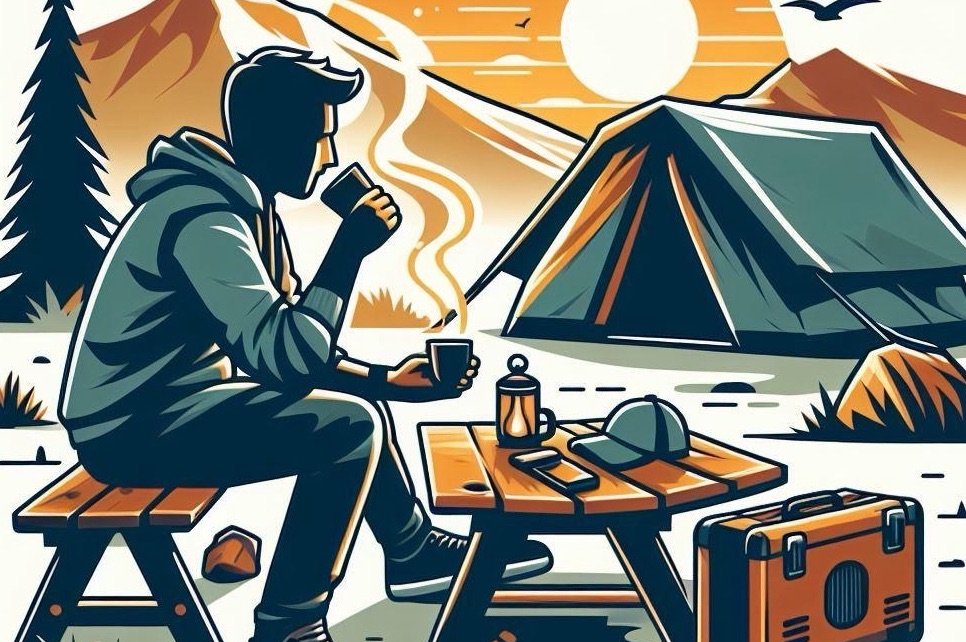
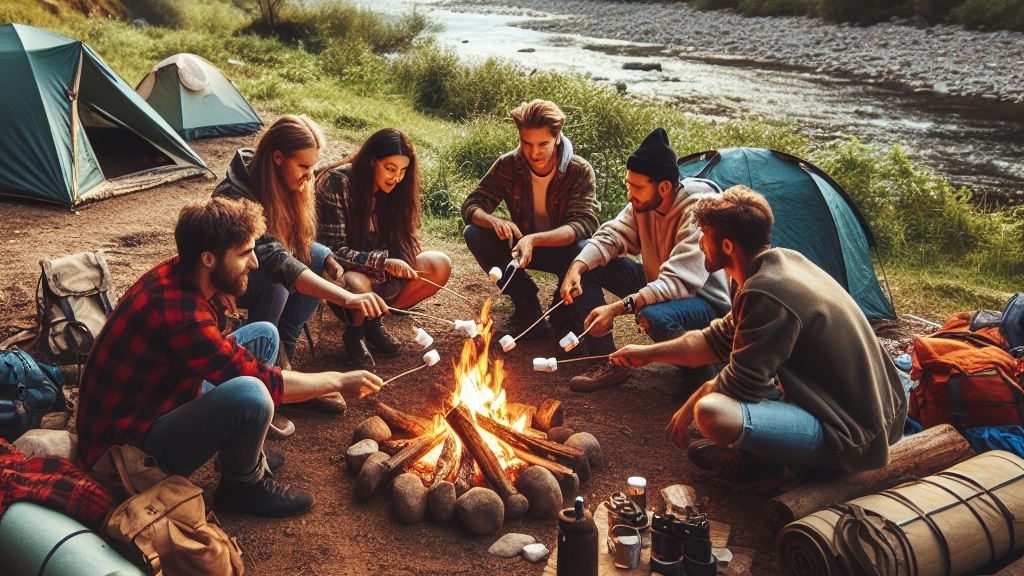
Camping is often seen as a social activity, a chance to gather around a crackling fire with friends and family. But there’s a whole other world waiting for those who dare to venture out alone: the world of solo camping.
Solo camping offers a unique experience, one that goes beyond the usual campfire stories and shared meals. It’s a chance to truly reconnect with nature and rediscover yourself.
Why Go Solo?
There are many reasons why someone might choose to camp alone. Perhaps you crave solitude and introspection, a chance to escape the daily grind and immerse yourself in the peacefulness of nature. Maybe you enjoy the freedom and flexibility of setting your own pace and itinerary. Or perhaps you simply want to challenge yourself and step outside your comfort zone.
Before You Go:
While solo camping can be incredibly rewarding, it’s important to be well-prepared. Here are some key things to keep in mind:
- Start small: If you’re new to camping, it’s wise to begin with a short trip in a familiar location. This will allow you to test your gear and build your confidence.
- Choose your campsite wisely: Opt for established campgrounds with amenities like restrooms and running water, especially on your first solo trip. As you gain experience, you can gradually venture into more remote locations.
- Inform someone of your plans: Let a trusted friend or family member know your itinerary and expected return date. Consider carrying a personal locator beacon (PLB) in case of emergencies.
- Pack light but essential gear: Prioritize warm clothing, a reliable shelter, a first-aid kit, and enough food and water for the duration of your trip.
Embrace the Experience:
Once you’re out there, embrace the solitude. Read a book by the fire, stargaze, go for a hike, or simply relax and listen to the sounds of nature. Savor the feeling of self-reliance and the freedom to do exactly what you want, on your own terms.
Solo camping isn’t for everyone, but for those who embrace it, it can be a truly transformative experience. So, pack your bags, grab your tent, and head out into the wilderness. You might just discover a whole new side of yourself under the vast night sky.
Additional Tips:
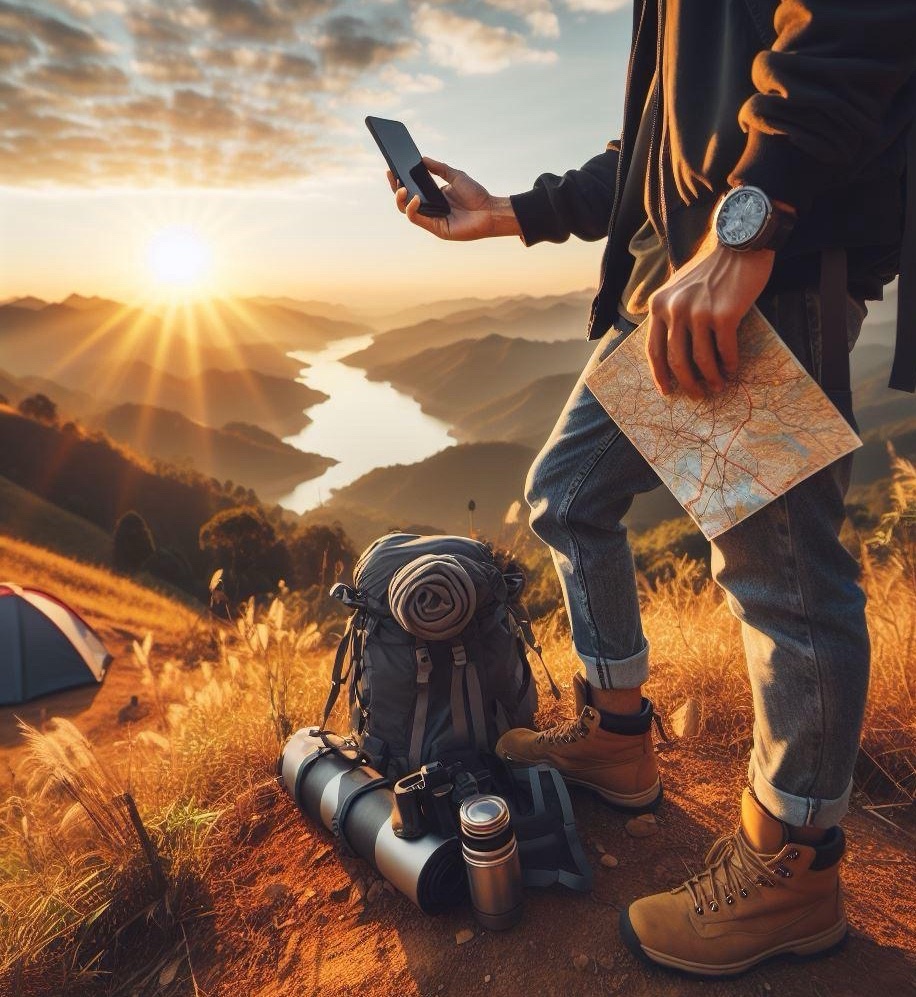
- Learn basic survival skills: Knowing how to build a fire, find water, and navigate with a map and compass can be invaluable in any situation.
- Leave no trace: Practice responsible camping by minimizing your impact on the environment. Pack out all your trash and leave the campsite as you found it.
- Most importantly, have fun! Solo camping is an opportunity to explore, relax, and reconnect with yourself. So, enjoy the journey!
 EarthOutside